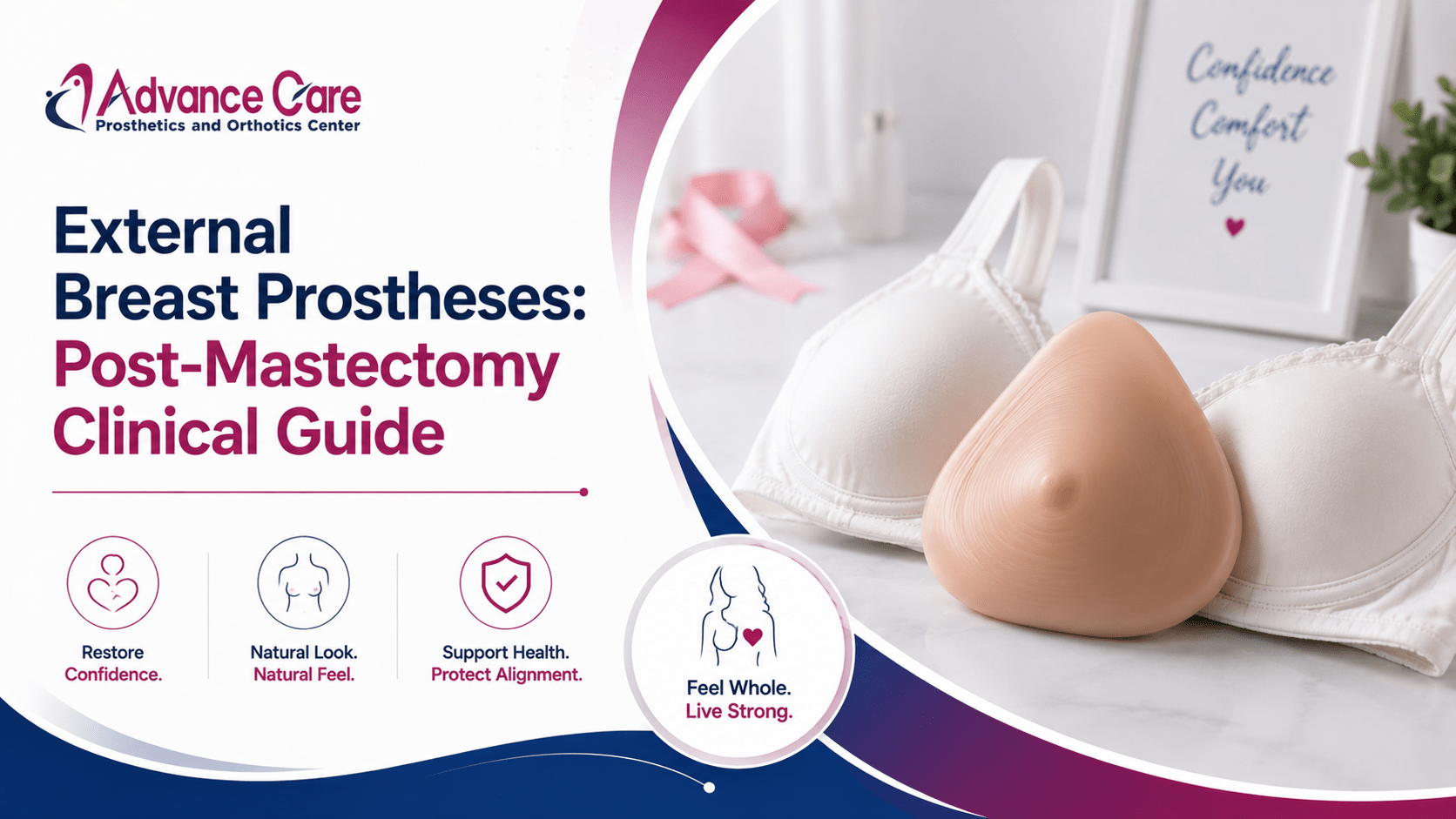
Undergoing a partial or full mastectomy due to a breast cancer diagnosis represents a significant milestone in a woman’s healthcare journey, frequently introducing complex emotional and physical adjustments. Following surgery, women are presented with several pathways to restore their natural silhouette and body confidence, including surgical reconstruction or non-invasive options. For individuals seeking a safe, predictable, and highly effective non-surgical path, a custom-fitted external breast prostheses offers an exceptional alternative. Made from soft, medical-grade silicone that beautifully mimics the weight, movement, and drape of natural tissue, these specialized breast forms help women feel whole again. Beyond the clear aesthetic benefits, wearing a properly weighted external breast form is a vital clinical requirement for preserving structural health, protecting spinal alignment, and preventing chronic back and neck strain.
The Biomechanical Necessity of Weighted Breast Forms
A common misconception is that an external breast prosthesis serves a purely cosmetic purpose. In reality, losing breast tissue alters the natural distribution of weight across the chest and shoulders, requiring precise mechanical rebalancing. When one side of the chest loses weight, the body’s center of gravity shifts. To compensate for this imbalance, the muscles of the spine, neck, and shoulders pull unevenly, causing the torso to tilt slightly toward the heavier side. Left unmanaged over months of daily walking, this subtle asymmetry leads to chronic shoulder slant, painful muscle spasms across the neck, and progressive spinal misalignment. Wearing a silicone breast form that matches the exact weight of your remaining breast tissue is vital for restoring proper structural balance and preventing long-term back discomfort.
The Custom Fitting Blueprint
Securing a comfortable and realistic fit requires a structured, personalized evaluation process guided by a certified post-mastectomy fitter.
| Fitting Stage | Clinical Objective | Technical Measurement Protocol |
| 1: Post-Op Healing | Ensures the chest wall is fully healed before fitting. | Fits a soft, unweighted foam form inside a seamless cotton bra for the first 6 to 8 weeks after surgery. |
| 2: Sizing Analysis | Determines the exact volume and shape needed for balance. | Measures the circumference of the chest wall and evaluates the projection and drape of the remaining breast. |
| 3: Silhouette Matching | Selects the ideal contours to complement your natural frame. | Compares different form shapes (triangular, round, or teardrop profiles) to achieve a beautifully symmetrical look. |
Structural Anatomy of Mastectomy Support Garments
An external silicone form requires a specialized foundation garment to hold it securely in place against the chest wall throughout the day.
- Integrated Internal Bra Pockets: A premium custom mastectomy bra features built-in, soft cotton fabric pockets sewn directly inside the cups. These pockets hold the silicone form securely, preventing it from shifting, sliding, or rubbing against sensitive skin.
- Wide, Cushioned Shoulder Straps: To comfortably manage the weight of the prosthesis, the bra features wide, padded shoulder straps that distribute pressure evenly, preventing painful digging or nerve compression across the shoulders.
- High Side Panels and Wide Bands: The frame of the bra is constructed with tall side panels and a wide under-bust band, providing excellent structural support without relying on irritating metal underwires.
Daily Care, Longevity, and Skin Safety
Maintaining the pristine condition and lifelike texture of a silicone breast form requires dedicated daily care habits.
- Gentle Hand-Washing Routine: Wash the silicone form each evening using lukewarm water and a mild, fragrance-free soap. Gently pat it dry with a soft towel and place it inside its protective cradle to preserve its shape.
- Protecting from Sharp Objects: Silicone is highly resilient but can be punctured by brooches, safety pins, animal claws, or rough jewelry. Avoid pinning anything directly to your mastectomy bra.
- Managing Seasonal Wear Comfort: During hot summer months, silicone can trap sweat against the skin. Opt for lightweight fabric-covered breast forms or utilize moisture-wicking bamboo liners to keep your skin cool and dry.
Frequently Asked Questions
How soon after undergoing a mastectomy can a woman be fitted for a silicone prosthesis?
A permanent, weighted silicone prosthesis is typically fitted six to eight weeks after surgery, ensuring that all surgical incisions have completely closed, swelling has resolved, and your physician has cleared the area for gentle contact.
What is the main functional difference between a foam form and a silicone breast form?
Foam forms are ultra-lightweight and unweighted, making them ideal for resting, sleeping, or early post-op healing. Silicone forms are engineered to match the natural weight of breast tissue, which is required to balance your posture and protect spinal alignment during daily walking.
How often does an external breast prosthesis need to be replaced?
With proper daily care and regular hand-washing, a premium silicone breast form typically lasts between two and three years. Many health insurance providers offer coverage for a replacement form every one to two years.
Can a woman swim or exercise while wearing her external breast prosthesis?
Standard silicone forms can be damaged by chlorine, saltwater, and heavy sweat. For swimming or intense exercise, specialized waterproof swim forms made from lightweight, clear silicone feature unique hollow backs that allow water to drain away easily.
What signs indicate that my post-mastectomy bra or prosthesis fits incorrectly?
Warning signs that require a refitting include the prosthesis riding up toward your collarbone, the remaining breast tissue spilling over the top of the bra cup, the shoulder straps leaving deep red indentations, or the form feeling noticeably heavier or lighter than your natural side.
Conclusion
Reclaiming your natural silhouette, posture balance, and physical confidence after a mastectomy requires an informed, gentle approach to post-surgical care. Utilizing premium external breast prostheses delivers a highly effective, non-surgical pathway for restoring anatomical symmetry and shielding your spine from chronic muscle strain. By pairing a custom-weighted silicone form with a supportive, pocketed mastectomy bra, you can successfully protect your structural health and move through your day with complete peace of mind. Work closely with a compassionate, certified mastectomy fitter to design a personalized collection of forms and garments, empowering you to step forward with comfort, grace, and renewed confidence.