
 info@advancemedical.ae
 +971 4 3479995


Skin Observation Guidelines for Prosthetic Users
 September 4, 2025


 July 31, 2024
A prosthesis is a device used to replace a missing body part. It makes the body work better. Usually, we see missing joints and limbs commonly replaced by prosthetics. But how many types of prosthetics are there? There are four main categories:
Depending on the part missing from the body, a proper prosthesis is provided. Let’s get into the details and learn about the types of prosthetics.
Prosthetic parts are lighter, stronger, and easier to use. It’s very important to fit a prosthetic correctly because it affects how well you can move and how comfortable it is. A prosthetist, the person who makes and fits prosthetics, will help you choose the right type and the best way to attach it.
A transradial prosthesis is an artificial arm that attaches below the elbow. There are two main types:
There two further kinds:
A transhumeral prosthesis replaces an arm missing above the elbow. It works much like a transradial prosthesis and comes in similar types:
The most common way to attach a transhumeral prosthesis is with a suction or roll-on liner system, which helps keep the prosthetic in place securely.
These prosthetics replace the leg above the knee and include a knee joint. This makes them more complicated because the knee joint is very important for sitting, standing, balancing, and moving. It takes a lot of practice to use these prosthetics, but they can help the person move almost normally.
These prosthetics replace the leg below the knee, so the person can still use their knee. The main part is the prosthetic socket, which connects the remaining leg to the prosthetic. This socket helps distribute the weight. People need to practice using these prosthetics because the feet part doesn’t usually move.
Prosthetics for arms are different in how they work and how they are controlled. A person who has lost an arm can choose between an active or passive prosthetic. They can also choose whether to control it using their own body or with external power.
Silicone arms, hands, and fingers look very natural because their color can match any skin tone. The soft silicone material is shaped to blend smoothly with the skin, making it look real.
Most silicone prosthetics stay in place with a suction fit. When you push the prosthetic onto the leftover part of your finger or arm, the air gets squeezed out, creating a tight and secure fit.
For finger prosthetics, sometimes a metal piece (called an osseointegrated implant) is used. This metal piece sticks out from the end of the amputated finger, making it as long as the original finger. It helps the prosthetic work better and looks more real because it’s supported from the inside.
Prosthetic legs are chosen based on whether the leg is amputated above or below the knee. Each type needs special care to help the person move well again.

Each person needs a different kind of prosthetic leg based on their needs. Here are some types:
In simple terms, prosthetics help people move better after losing a limb. Different types of prosthetics are available to match each person’s needs and lifestyle.
Just like there are different types of hand and arm prosthetics, there are also different types of prosthetic feet. These can help with everyday activities and sports.
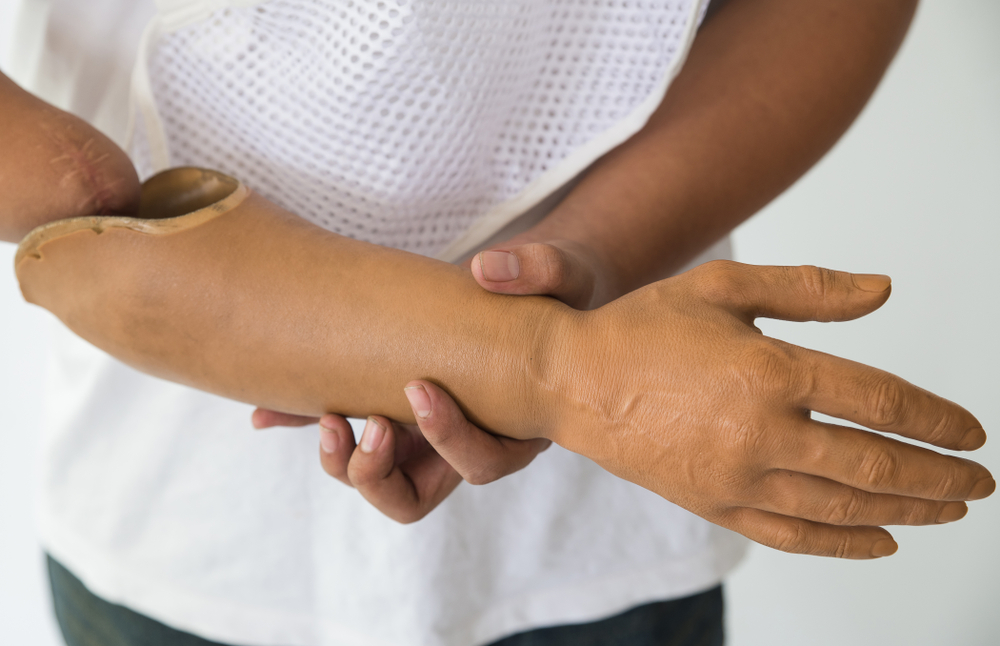
Prosthetics have come a long way, becoming lighter, stronger, and more adaptable to individual needs. Whether it’s for an arm, leg, or even a finger, the right prosthetic can make a big difference in a person’s life. With various options available, from silicone limbs to high-tech microprocessor feet, it’s important to work with a prosthetist to find the best fit.
At Advance Care, we are dedicated to helping people regain their mobility and confidence with custom prosthetics designed to meet their unique needs. Contact us to learn more about how we can help you or a loved one move better and live fully.
September 4, 2025 August 22, 2025 July 18, 2025
