
 info@advancemedical.ae
 +971 4 3479995


Skin Observation Guidelines for Prosthetic Users
 September 4, 2025


 July 24, 2025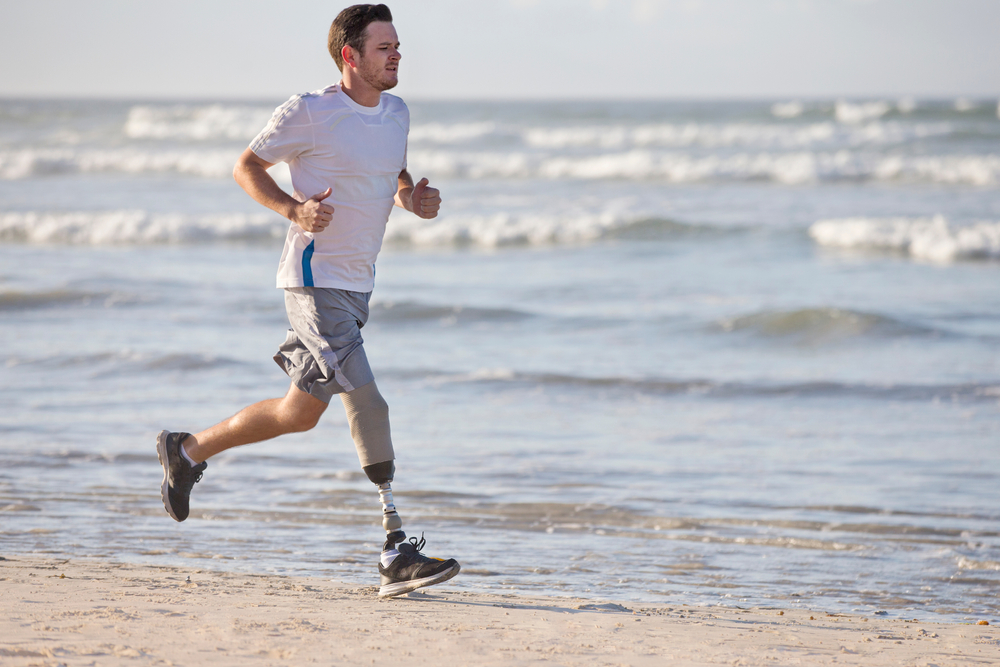
There’s nothing quite like a day at the beach, the salty breeze the soft sand and the endless sound of the waves crashing against the shore. For many it’s the ultimate escape. But if you use a prosthetic leg, the thought of dealing with this beautiful but unpredictable environment can feel intimidating.
Questions come up: Will my prosthesis hold up in the sand? Can I go into the water safely? How will I manage comfort and skin care all day? These worries are real and it’s natural to feel cautious. The great news is that with careful planning and the right mindset, the beach can be every bit as fun and freeing as it was before.
At Advance Care, we believe that life after limb loss should be full of possibilities not limitations. Our mission is to help you enjoy every moment including the ones spent digging your toes into the sand and watching the sunset.
A successful beach day with a prosthetic leg starts with knowing what to expect and taking simple steps to prepare. By addressing each challenge before you even step onto the sand, you can focus on what really matters: making memories and feeling alive.
Here are eight key areas to consider when planning your beach adventure
Sand is one of the beach’s biggest charms and also one of its sneakiest challenges. Fine grains can work their way into your prosthesis, affecting joints and mechanical parts causing wear and even limiting mobility.
A protective sleeve or cover can be a game changer. When you’re sitting down or taking a break keep your prosthesis wrapped in a towel or tucked inside a clean bag to prevent sand from creeping in. At the end of the day rinse and clean every surface carefully. These small habits will keep your prosthesis working smoothly and help you avoid unexpected repairs.
While splashing in the ocean is tempting salt water can be tough on prosthetic components. Salt is corrosive and can weaken metal parts or affect the overall durability of your device if not cleaned off properly.
Many people choose a dedicated beach leg to avoid damaging their everyday prosthesis. If that isn’t an option make sure to rinse your prosthesis thoroughly with fresh water after any contact with the ocean and allow it to dry completely. Discussing beach-specific protective solutions with your prosthetist before your trip can help you feel even more prepared.
Walking on soft sand is a workout in itself even for those without prosthetics. It requires extra effort, balance and patience. The uneven surface shifts underfoot and demands more energy with every step.
Move slowly and intentionally, keeping your steps short and your weight centered to avoid sudden sinking or slipping. Some people use crutches with wide sand-friendly bases or borrow a beach wheelchair to navigate longer stretches. Practicing ahead of time on similar terrain can build confidence and help you enjoy the beach without worrying about each step.
On a hot day prosthetic components especially those with dark finishes can become extremely warm. This can lead to discomfort or even skin burns. Plus moving between cool ocean water and hot sand can affect the fit and feel of your socket throughout the day.
Setting up a shaded home base is essential. Use a beach umbrella canopy or find natural shade under trees or shelters. Consider using a light-colored or reflective prosthetic cover to help deflect heat. Check your limb regularly for any signs of irritation and don’t hesitate to take breaks to cool down and adjust as needed.
A day at the beach exposes your skin to salt, sweat, sand, and constant movement all of which can cause irritation or breakdown if not managed carefully. Start by applying a barrier cream or protective ointment before putting on your prosthesis. Bring extra liners or socks as well as cleaning wipes so you can keep your limb dry and comfortable even when the environment gets messy. At the end of the day take your time to wash your limb thoroughly and inspect for any red spots, blisters, or soreness so you can treat them promptly.
Not every beach is equally easy to navigate. Some have long, steep dunes with soft sand, while others offer paved paths, boardwalks and beach wheelchairs. Picking the right beach can make or break your day.
Do a bit of research before you go. Look for beaches with accessible entrances, firm pathways leading close to the water, shaded areas for resting and accessible bathrooms and changing facilities. Knowing what to expect means less time worrying and more time enjoying the sunshine.
Swimming and playing in the water is one of the best parts of a beach day but it does require extra care. Moving in water changes your balance and can feel very different compared to land. Before your visit practice entering and exiting the water safely and always swim with a partner.
Learn about local water conditions like waves, tides and currents so nothing catches you by surprise. If you love swimming and plan to do it often talk to your prosthetist about water-friendly prosthetic options designed to move naturally and withstand water exposure.
The best beach days are those where you feel relaxed, unhurried, and free to enjoy each moment. Create a base spot where you can store supplies rest and adjust your prosthesis comfortably throughout the day.
Arriving in the morning often means fewer people firmer sand and cooler temperatures. Check your prosthesis and limb regularly and don’t hesitate to change your plans if needed, switch to the boardwalk enjoy some quiet time under an umbrella or simply listen to the waves.
After your day in the sun take time to clean your prosthesis thoroughly, wash and dry your limb and check for any small issues. This care ensures you’re ready to enjoy many more adventures ahead.
A day at the beach doesn’t have to feel out of reach, it can be full of possibility, peace, and pure fun. With the right preparation and mindset every wave every breeze and every sandy step can remind you just how strong and capable you are.
At Advance Care, we’re committed to helping you live life without limits. Our advanced prosthetic solutions and personalized support empower you to confidently enjoy all the moments that matter most, whether that’s a sunrise stroll along the shore or a spontaneous dip in the sea.
Ready to turn your beach dreams into reality? Connect with Advance Care today and let’s help you get back to living your fullest, happiest life.
September 4, 2025 August 22, 2025 July 18, 2025 July 11, 2025
