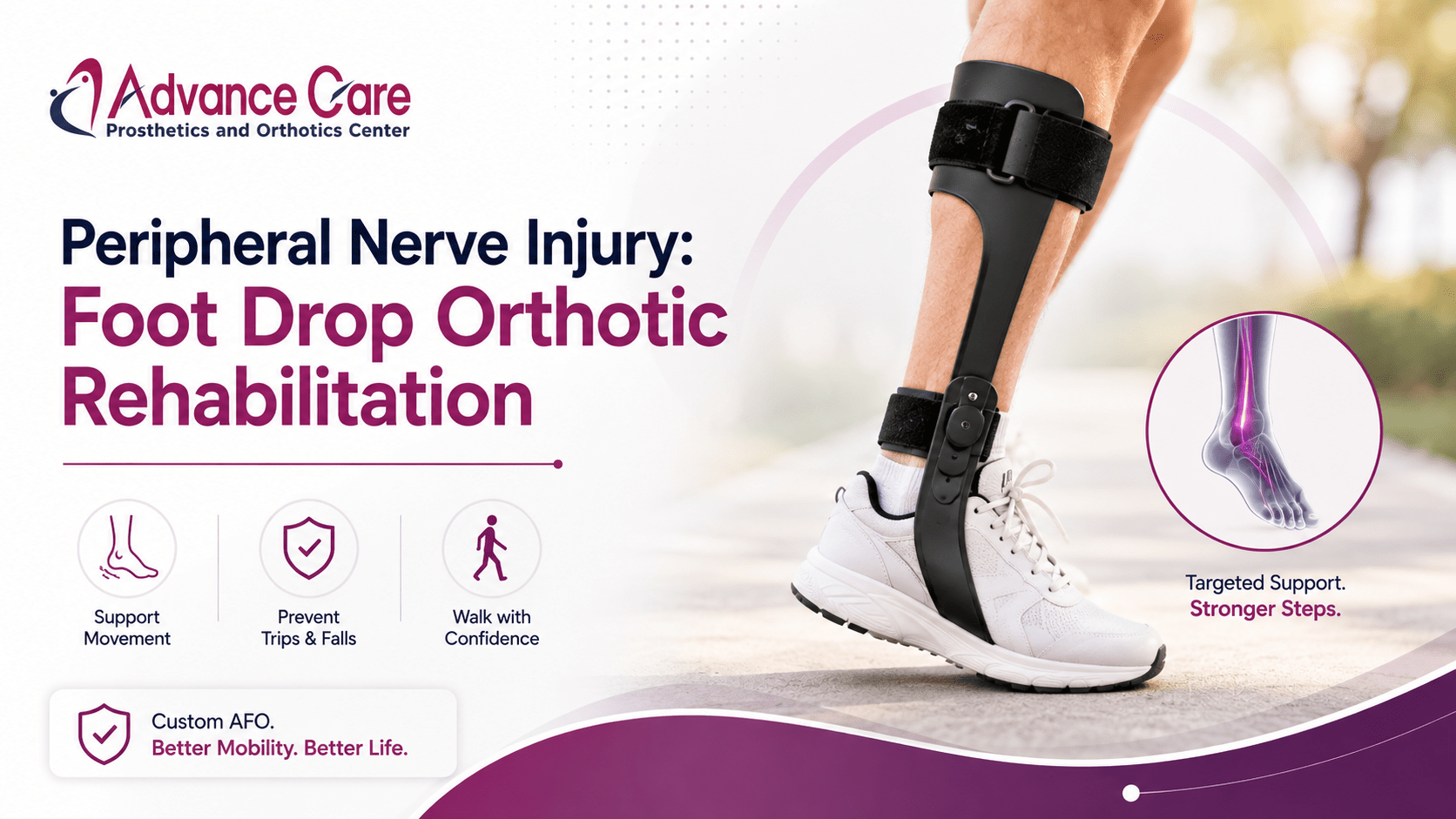
Peripheral nerve injuries across the lower extremity present immediate, disruptive challenges to a patient’s daily mobility and independence. Conditions such as acute peroneal nerve palsy frequently resulting from localized trauma, surgical complications, or chronic compression directly impair the muscles responsible for lifting the foot. This structural deficit leads to post-traumatic foot drop, a debilitating condition where the foot drags heavily during walking. Navigating this recovery journey requires integrating advanced neuro-rehabilitation protocols with specialized peripheral nerve injury orthotics. A custom-fabricated ankle-foot orthosis (AFO) represents the definitive clinical standard for restoring functional movement to an compromised limb. By keeping the ankle securely at a safe, neutral angle, these innovative braces eliminate dangerous tripping hazards and provide the essential structural support required for patients to rebuild their walking confidence.
The Neuromuscular Impact of Peroneal Nerve Palsy
The common peroneal nerve travels a vulnerable path around the head of the fibula bone just below the outer side of the knee. Because of this exposed location, it is highly susceptible to entrapment, stretch injuries, or direct impact.
When nerve conduction is disrupted, the signal to the anterior shin muscles primarily the tibialis anterior is lost, resulting in flaccid weakness or complete paralysis of foot dorsiflexion.
Without an external device to keep the foot elevated, the toes drop downward during every step. To prevent tripping over their own foot, patients must adopt a high-fatigue “steppage gait,” lifting their knee excessively high toward their chest. This awkward movement rapidly exhausts energy, strains the hip and lower back, and significantly increases the risk of dangerous falls.
Advanced Orthotic Engineering for Nerve Rehabilitation
Modern orthotic design utilizes cutting-edge material science to balance rigid joint stability with the dynamic flexibility needed for fluid walking.
| Material Class | Biomechanical Advantage | Clinical Presentation Fit |
| Custom Carbon Fiber Matrix | Ultra-lightweight structure; provides an active, spring-like energy return to help push the foot forward. | Ideal for active individuals requiring maximum walking efficiency and minimal fatigue. |
| Thermoformable Copolymer | Offers excellent total-contact molding around the calf; easy to modify for sensitive skin. | Well-suited for patients with changing leg swelling or those requiring direct pressure relief. |
| Posterior Leaf Spring (PLS) | Features a flexible rear strut that allows controlled ankle movement while preventing toe drag. | Best for patients with isolated foot drop who still possess good side-to-side ankle stability. |
Real-World Functional Transformations
Integrating a custom foot drop brace into a patient’s daily routine yields immediate, measurable improvements in walking mechanics and overall quality of life.
- Restored Lateral Ankle Stability: Custom side walls prevent the foot from rolling painfully outward or twisting inward, protecting vulnerable ligaments from secondary sprains.
- Immediate Elimination of Toe Drag: Holding the foot firmly at a ninety-degree angle during the swing phase ensures the toes clear the ground safely without needing awkward hip movements.
- Active Mechanical Energy Return: High-performance carbon fiber braces store energy when the heel hits the ground and release it as the toes lift, providing a subtle spring that assists the weakened leg.
Comprehensive Neuro-Rehabilitation Protocols
Maximizing neurological recovery requires an integrated, multi-disciplinary approach that pairs custom bracing with targeted medical and physical therapies.
- Coordinated Physical Therapy: Dedicated sessions focus on strengthening the upper leg muscles, improving core balance, and practicing correct heel-to-toe walking patterns while wearing the brace.
- Neuromuscular Electrical Stimulation (NMES): Using localized electrical impulses alongside orthotic wear helps keep weak muscle tissues active and encourages nerve pathway recovery.
- Proactive Volume Management: Patients recovering from nerve trauma often experience localized swelling. Regular visits to the orthotist ensure the brace is continuously adjusted to fit comfortably as leg size changes.
Frequently Asked Questions
Can a peripheral nerve injury orthosis completely cure my nerve damage?
An orthotic brace does not cure the underlying nerve injury directly, but it provides the essential structural support needed to keep you mobile and safe while the nerve heals. It acts as an external replacement for weak muscles, preventing dangerous falls and joint strains.
What makes a custom carbon fiber AFO better than a standard plastic brace?
Carbon fiber braces are significantly lighter, thinner, and less bulky than traditional plastic options, allowing them to fit easily into standard shoes. They also offer a unique, flexible energy return that helps spring the foot forward, reducing walking fatigue.
Should I wear my foot drop brace continuously all day and night?
Foot drop braces are functional mobility devices designed to support your weight while standing and walking, meaning they should be worn throughout the day. They are removed at night for sleep, during which lightweight resting splints may be used to keep the foot aligned.
How do I know if my peroneal nerve is recovering while using a brace?
Signs of nerve recovery include a gradual return of sensation across the top of the foot, an improved ability to wiggle your toes, and a noticeable increase in muscle control when trying to lift your foot without the brace.
Is it difficult to find supportive shoes that fit over a custom plastic AFO?
Fitting a custom orthosis typically requires a stable, deep sneaker or dress shoe with a removable factory insole. This modification creates enough room to accommodate the brace comfortably without pinching your toes or rubbing your heel.
Conclusion
Navigating a peripheral nerve injury requires a comprehensive, proactive approach to lower limb rehabilitation and joint safety. As detailed across advanced neuro-rehabilitation frameworks, implementing targeted peripheral nerve injury orthotics offers an exceptionally effective way to overcome post-traumatic foot drop. By choosing a precision-molded device tailored to your unique anatomy, you can instantly eliminate toe drag, lower your risk of falling, and restore a smooth, efficient walking pattern. Work closely with a skilled team of neurologists, physical therapists, and certified orthotists to build a personalized care plan, helping you protect your long-term joint health and walk forward with confidence.