
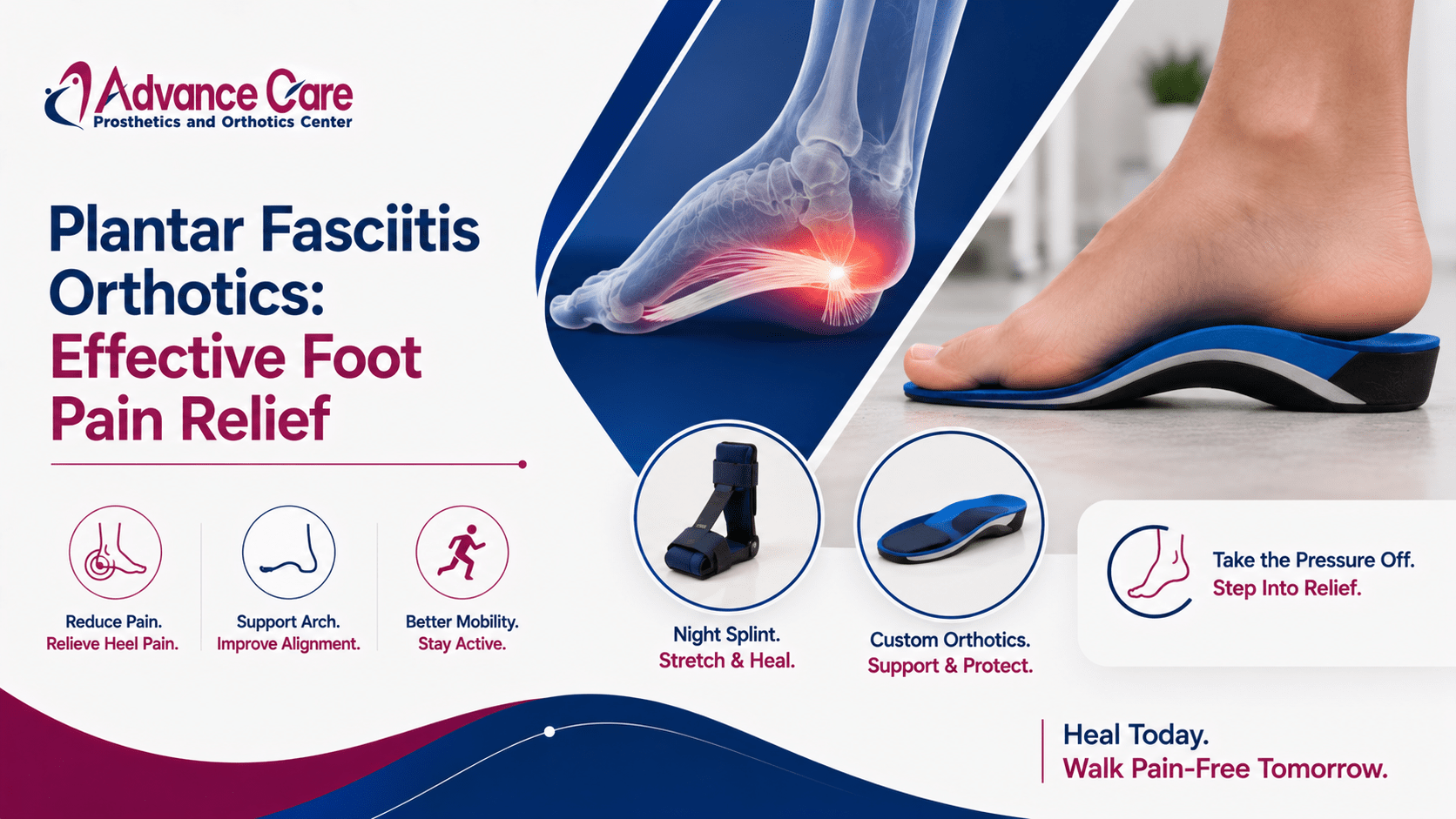
Plantar fasciitis is one of the most common and frustrating musculoskeletal conditions encountered in podiatric medicine, serving as the leading cause of chronic heel pain among active adults. The plantar fascia is a thick, fibrous band of connective tissue that spans the sole of the foot, connecting the heel bone to the base of the toes and acting as a natural shock absorber that supports the foot’s longitudinal arch. When subjected to repetitive mechanical strain, excessive body weight, or poor footwear support, this tissue experiences microscopic tears and localized inflammation near its attachment point at the heel. For individuals struggling with this sharp, burning discomfort—which is typically at its worst during the first steps in the morning—implementing advanced plantar fasciitis orthotics is an essential step toward recovery. By combining custom total-contact inserts with specialized night stretching splints, clinicians can successfully distribute weight evenly, take the tension off the healing tissue, and restore pain-free mobility.
Pathomechanics: Understanding Fasciitis vs. Fasciosis
Effectively treating heel pain requires recognizing how chronic strain alters the structure of the plantar fascia over time. In the acute phase, known as plantar fasciitis, the tissue is actively inflamed, swollen, and tender to the touch.
If the underlying mechanical strain is left unmanaged, the condition can progress into plantar fasciosis—a chronic state characterized by a lack of active inflammation, where the tissue’s collagen fibers become disorganized, brittle, and weakened. Additionally, the body may respond to this chronic pulling force by forming a bony heel spur; however, the true source of the pain is almost always the strained fascia tissue itself, rather than the spur.
Multi-Dimensional Orthotic Care Framework
Managing plantar fascia tissue injuries requires a dual approach that combines daytime arch protection with nighttime stretching systems.
| Orthotic Device Type | Biomechanical Mechanism | Primary Therapeutic Benefit |
| Custom Total-Contact Insert | Fills the entire space beneath the arch; features a deep heel cup and built-in shock absorption. | Distributes weight evenly across the entire foot sole, instantly lowering heel impact forces during walking. |
| Night Stretching Splint | Holds the foot and ankle in a gentle, upward ninety-degree angle during sleep. | Prevents the fascia from shortening overnight, completely eliminating sharp morning heel pain. |
Biomechanical Engineering of Custom Daytime Inserts
A custom-molded orthosis for plantar fasciitis is crafted from multi-density materials to provide the exact balance of structural lift and soft cushioning your feet require.
- Full Medial Arch Support: The insert is molded to fit tightly against the contours of your arch, stopping the foot from rolling inward excessively (over-pronation) and preventing the fascia from stretching to a painful degree during walking.
- Deep Heel Cup Realignment: Firmly enclosing the heel bone prevents the soft protective fat pad beneath the heel from spreading out, preserving your body’s natural shock-absorption system.
- Targeted Poron Offloading Cushioning: A soft pocket of high-performance shock-absorbing material (such as Poron) is embedded directly beneath the painful heel area, protecting irritated tissues from hard ground impact.
Comprehensive Daily Recovery Strategies
Achieving complete, long-term relief from plantar fascia discomfort requires a well-rounded care plan that pairs advanced custom orthotics with regular daily therapy.
- Dedicated Plantar Stretching Routines: Performing gentle stretching exercises for the calf muscles and the sole of the foot before getting out of bed helps limber up the tissue and prevents fresh micro-tears.
- Structured Supportive Footwear Pairing: Custom orthotics should never be placed in flat, unsupportive shoes. Pair them with stable athletic sneakers or supportive dress shoes featuring a rigid midsole and a slight heel lift to further reduce fascia tension.
- Localized Cold Therapy: Rolling the sole of the foot over a frozen water bottle for ten to fifteen minutes after extended walking sessions helps soothe irritated tissues and reduces localized swelling.
Frequently Asked Questions
Why does plantar fasciitis cause such sharp, burning pain during the very first steps in the morning?
While you sleep, your foot naturally rests in a relaxed, downward-pointing position, allowing the healing plantar fascia to shorten and tighten up. When you step out of bed, your body weight instantly forces the foot flat, sharply stretching and re-tearing that tightened tissue, which causes intense pain.
How does a night stretching splint help eliminate morning heel pain?
A night splint keeps your foot secured at a gentle, neutral ninety-degree angle throughout the night, holding the plantar fascia in a comfortable, elongated position. This allows the tissue to heal in an extended state, preventing it from tightening up and reducing morning discomfort.
Can I use generic, over-the-counter heel cushions to treat my plantar fasciitis?
Generic heel cushions simply add a basic layer of padding beneath the heel, which cannot address the underlying cause of the condition. Advanced recovery requires a custom total-contact orthosis to support the arch structure and stop the fascia from over-stretching.
How long does it typically take to recover from plantar fasciitis using custom orthotics?
Most patients experience a significant reduction in pain within two to four weeks of consistent orthotic use. Complete healing of the microscopic tissue tears typically takes between three and six months of continuous care.
What signs indicate that my plantar fasciitis has progressed to chronic fasciosis?
If your heel pain persists for more than six months without improvement, feels like a dull, constant ache rather than an acute inflammation, and fails to respond to basic anti-inflammatory medications, it has likely transitioned into a degenerative fasciosis phase requiring custom total-contact support.
Conclusion
Overcoming the sharp, limiting discomfort of plantar fasciitis demands a comprehensive look at lower limb mechanics and highly targeted tissue protection. Implementing specialized plantar fasciitis orthotics delivers a proven, highly reliable way to support your arch, reduce mechanical tension, and safeguard irritated tissues from everyday walking impact. By combining custom total-contact inserts for daytime stability with a dedicated night splint to prevent overnight tightening, you can successfully break the cycle of chronic heel pain. Work closely with an experienced podiatrist and certified orthotist to engineer a personalized care plan, helping you step out of bed with comfort and move forward with total freedom.