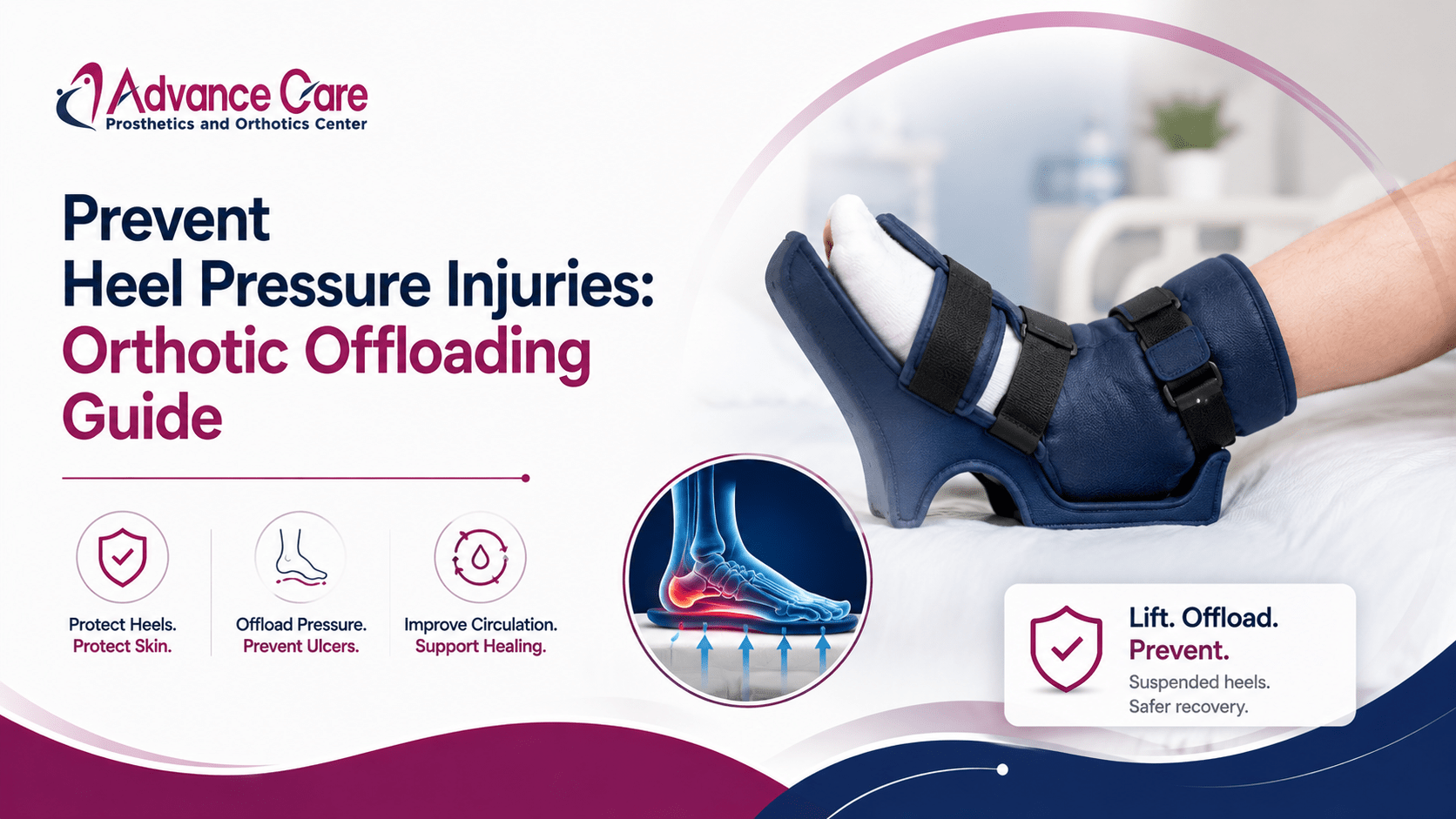
For individuals who are temporarily or permanently bedbound due to severe illness, major orthopedic surgery, or advanced neurological conditions, maintaining skin safety introduces unique and demanding clinical challenges. When a patient rests immobile in a supine position for extended periods, their entire body weight rests against the mattress surface, concentrating pressure on specific bony prominences. Within hospital and long-term care settings, the heels stand as the second most common site for deep tissue breakdown, leading to painful calcaneal pressure ulcers. Because the skin surrounding the heel bone is remarkably thin and lacks thick muscle or fat padding, continuous pressure can cut off localized blood flow in as little as two hours. Achieving reliable heel pressure injury prevention requires shifting away from basic pillows toward specialized heel suspension boots. These advanced orthotic devices completely elevate the foot, suspending the heel in mid-air to eliminate all mattress contact, protect sensitive skin, and ensure proper blood circulation.
The Pathophysiology of Calcaneal Pressure Ulcers
The development of a heel pressure injury is a direct mechanical consequence of unchecked pressure and friction forces acting on fragile skin tissues. When a patient lies still, the weight of the leg pushes the calcaneus (heel bone) directly against the bedsheet, compressing the tiny capillary blood vessels. If this pressure is left unmitigated, the localized tissues are starved of oxygen and nutrients, leading to rapid cellular death and deep tissue necrosis. Furthermore, if the patient slides down in bed, the skin experiences “shear forces” a stretching effect that tears delicate blood vessels and accelerates skin breakdown.
Advanced Design Principles of Heel Suspension Boots
A specialized heel suspension boot is a precision-engineered medical device designed to provide complete, foolproof offloading for bedbound individuals.
- Complete Calcaneal Air Suspension: The boot is molded with a thick, supportive foam base that cradles the lower calf and ankle, lifting the foot so the heel floats in mid-air with zero mattress contact.
- Integrated Anti-Rotation Wedges: To prevent the leg from rolling outward or twisting painfully to the side, the exterior of the boot features adjustable fabric wedges that anchor the foot in a safe, straight alignment.
- Soft, Moisture-Wicking Interior Liners: The internal lining is crafted from ultra-soft, low-friction fabrics that wick away sweat, keeping the skin cool and dry to prevent skin softening and tearing.
- Built-in Foot Drop Prevention Controls: The brace holds the foot secured at a gentle, neutral ninety-degree angle, stopping the calf muscles from tightening up and preventing long-term contractures.
| Care Strategy | Biomechanical Offloading Quality | Clinical Ulcer Prevention Efficacy |
| Standard Bed Pillows | Poor; pillows shift easily when the patient moves, compressing beneath weight. | High risk of hidden tissue breakdown; requires constant manual re-positioning. |
| Heel Suspension Boot | Absolute; locks the leg in place and holds the heel in mid-air continuously. | Exceptional protection; eliminates contact pressure entirely; safeguards skin integrity. |
Comprehensive Protocol for Bedbound Patient Care
Successfully preventing pressure ulcers requires pairing advanced suspension boots with a dedicated daily care routine overseen by caregivers or nursing staff.
- Coordinating Whole-Body Turning Schedules: While the boots completely protect the heels, the patient must still be carefully turned every two hours to protect other vulnerable areas like the hips and lower back.
- Routine Daily Boot Removal: Caregivers must remove the suspension boots at least twice a day to wash the patient’s feet, inspect the skin thoroughly for red marks, and perform gentle ankle exercises.
- Diligence in Skin Moisture Management: Keep the skin of the feet clean and properly hydrated. Apply a high-quality moisturizing cream to dry heels, but ensure the lotion is fully absorbed before putting the boot back on.
Frequently Asked Questions
Why are the heels so uniquely vulnerable to developing severe pressure sores compared to the calves?
The calves feature thick muscle padding that easily distributes pressure over a wide area. In contrast, the heel bone sticks out sharply beneath a very thin layer of skin with minimal fat cushioning, making it highly vulnerable to compressed blood flow.
Can a patient wear a heel suspension boot while attempting to stand or walk to the bathroom?
No, heel suspension boots are strictly non-weight-bearing devices designed for bedbound offloading and rest. Walking on the soft foam shell can ruin the device, compromise balance, and cause dangerous slips.
How do I clean a foam heel suspension boot if it becomes soiled?
Most premium suspension boots feature removable, machine-washable fabric liners that can be washed using warm water and a mild detergent. The outer plastic or foam frame can be easily wiped down with a standard disinfectant wipe.
What is the difference between an unweighted heel boot and a protective heel cushion cup?
Protective cup sleeves simply add a thin layer of padding around the heel but maintain direct contact with the bed. A true suspension boot lifts the entire foot up, ensuring the heel rests in mid-air with zero surface contact for total protection.
What signs indicate that a bedbound patient’s heel boot is fitted incorrectly?
Warning signs that require an immediate adjustment include the foot sliding completely out of the boot, the straps being pulled tight enough to restrict circulation in the toes, or the calf padding compressing enough that the heel touches the mattress.
Conclusion
Safeguarding bedbound patients from debilitating skin complications requires a deep understanding of pressure offloading and proactive care protocols. Utilizing specialized heel suspension boots delivers an exceptionally effective, clinically proven shield against dangerous calcaneal pressure ulcers. By elevating the lower leg safely and holding the fragile heel bone in mid-air, these advanced devices eliminate destructive contact pressure and keep localized tissues healthy. Work closely with your nursing team, wound care specialists, and certified orthotists to integrate premium suspension boots into your daily turning and care routine, ensuring your loved one remains safe, comfortable, and fully protected throughout their recovery.