Improve Foot Health and Mobility
In the field of rehabilitative medicine and biomechanical support, orthotics play a crucial role in enhancing the lives of individuals facing various functional limitations. Orthotics are not just supports; they are transformative devices individually tailored to meet the unique needs of people dealing with various functional limitations.
Whether it’s enhancing mobility, alleviating pain, or correcting posture, orthotics are designed to improve your daily life significantly. In this article, we dig into the significant roles orthotics play, discuss their critical functionalities, and explain how they are applied to various medical conditions. Join us as we look at how these devices can help individuals lead more comfortable and active lives.
What is an Orthotic?
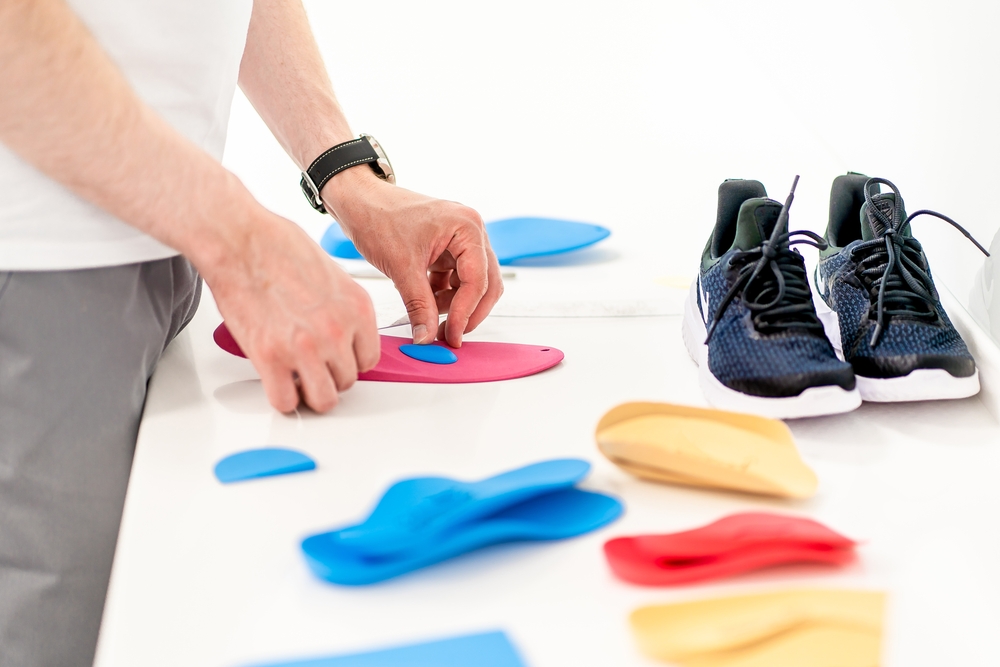
An orthotic is a specialized medical device often prescribed to manage biomechanical issues affecting the feet. These devices are generally inserted into shoes and are key in stabilizing and adjusting foot movements that deviate from the norm, enhancing overall foot function.
The spectrum of orthotics spans from straightforward over-the-counter inserts, perfect for minor corrections, to customized devices meticulously crafted to tackle specific medical conditions and provide targeted support.
Why is the Orthosis Important?
Orthotics not only address current foot ailments but are also a proactive measure in maintaining optimal foot health, preventing potential future problems, and ensuring that you can stay active and on your feet. Orthotics are essential tools in managing foot health for several reasons:
- Support and Stability: They provide crucial support, helping to stabilize the foot, improving the way you walk and reducing strain on your feet.
- Pain Reduction: By correcting abnormal foot mechanics, orthotics can greatly diminish discomfort and pain in the feet and, often, in other parts of the body like the knees and back.
- Injury Prevention: Properly aligned feet are less prone to injuries. Orthotics help to prevent conditions related to poor foot mechanics, such as bunions, plantar fasciitis, and tendonitis.
- Enhanced Mobility: Reduced pain and improved foot function typically improve mobility, making daily activities and walking much easier.
- Improved Quality of Life: Ultimately, all these benefits contribute to a better overall quality of life. With less pain and enhanced mobility, you can enjoy daily activities and exercise with greater ease and less discomfort.
What is the Purpose of Orthosis?
The primary roles of an orthosis are to enhance comfort and function by addressing foot biomechanics:
- Support and Alignment Correction: Orthoses provide necessary support and correct misalignments in the foot’s structure, which can lead to deformities if left unmanaged.
- Pressure Redistribution: They are expertly designed to redistribute pressure across the foot, shifting it away from areas that might be painful or damaged, such as calluses or ulcers.
- Enhanced Biomechanical Efficiency: Orthoses enhance overall biomechanical efficiency by improving the alignment and function of the foot, facilitating smoother and more natural movement patterns.
- Aid in Treatment and Prevention: Orthotics play a crucial role in treating and preventing various foot ailments, promoting better foot health and functionality over time.
Why is an Orthosis Used?
Orthotics are not just reactive treatments but proactive measures to maintain foot health, prevent future complications, and improve life quality through better mobility and less pain. Orthoses serve multiple purposes across various conditions affecting foot health and mobility:
- Pain Relief: They are often used to alleviate discomfort associated with common conditions, such as plantar fasciitis, a common cause of heel pain.
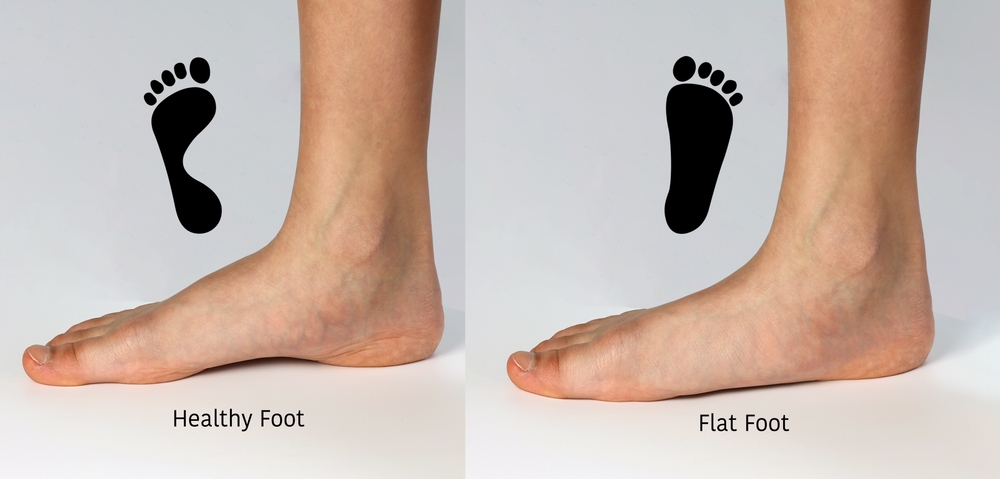
- Support for Structural Issues: Orthotics provide support and structure for conditions such as fallen arches and flat feet, helping to maintain proper foot alignment.
- Injury Prevention and Recovery: By stabilizing the foot and ankle, orthoses can prevent injuries and support recovery in areas like the knees and lower back.
- Management of Chronic Conditions: For individuals with diabetes, orthotics help prevent foot ulcers and other complications by evenly distributing pressure and reducing excess stress on certain parts of the foot.
- Improvement in Mobility: With reduced pain and enhanced support, users often experience an overall improvement in mobility, enabling more active and fulfilling lifestyles.
How Do Orthotics Work?
Orthotics function by subtly changing how the foot interacts with the ground, addressing specific biomechanical issues:
- Alignment Correction: They modify the angles at which the feet contact a surface during walking or running, promoting a more natural foot alignment.
- Function Improvement: By correcting misalignments, orthotics enhance the overall function of the foot, which can reduce the discomfort associated with abnormal movements.
- Customization for Needs: Depending on individual needs, orthotics come with varying degrees of rigidity and cushioning, ensuring each user receives appropriate support and comfort.
Where Can an Orthosis Be Used?
Orthotics provide essential support for everyday comfort and specific health conditions, enhancing mobility and quality of life for users across various environments.
Orthotics are versatile and can be used in a variety of settings to support foot health and activity:
- Everyday Use: They can be inserted into regular shoes to provide support throughout daily activities, helping to prevent fatigue and discomfort.
- Sports and Athletics: Orthotics are crucial for enhancing performance and preventing injuries in sports shoes by ensuring proper foot alignment and shock absorption.
- Specialized Footwear: Orthotics can be used in specially designed shoes to aid in rehabilitation and mobility for individuals with severe foot deformities or those recovering from foot surgery.
- Work Environments: Orthotics are also beneficial in work settings, particularly for those who spend long hours standing or walking, such as in healthcare, retail, or manufacturing sectors.
What are the Steps for Orthotics?
Obtaining and utilizing orthotics is detailed and tailored to ensure maximum effectiveness and comfort. Here’s an overview of the essential steps involved:
- Assessment: This initial phase involves a comprehensive evaluation that includes reviewing the patient’s medical history, a physical examination, and a biomechanical analysis. This step is crucial to understanding the individual’s specific needs and functional challenges.
- Design and Manufacture: Based on the insights gained during the assessment, the orthotic is custom-designed to meet the individual’s unique requirements. This involves selecting appropriate materials and technology to construct an orthotic that addresses the identified biomechanical issues.
- Fitting: Once the orthotic is manufactured, it undergoes a fitting session, during which it is adjusted to ensure it fits the individual properly. This stage is vital to ensure the orthotic is comfortable and functions as intended, enhancing the wearer’s mobility without causing additional issues.
- Review and Adjustment: The final step involves follow-up appointments to evaluate the effectiveness of the orthotic. During these sessions, any necessary adjustments are made to optimize the fit and functionality of the device. This ongoing evaluation helps to ensure that the orthotic continues to meet the evolving needs of the individual.
Conclusion
Orthotics are not just inserts but sophisticated medical devices designed to address specific biomechanical issues. By providing support, reducing pain, and correcting foot alignment, orthotics enhance mobility and improve the quality of life for individuals with various foot-related issues.
Experience enhanced foot health and comfort—contact Advance Care today to discover the right orthotic solution for you!

 info@advancemedical.ae
 +971 4 3479995


 September 4, 2025

 August 21, 2024