Understanding Prosthetics: Innovations and Insights

  • Blog
  • August 28, 2024

Prosthetics have long been at the crossroads of technology and medicine, providing essential support for those facing physical challenges. These remarkable devices have progressed significantly through the ages, offering more than just medical benefits.

They are powerful tools that restore movement, improve functionality, and greatly enhance the quality of life for countless individuals across the globe. Continue reading as we explore the dynamic world of prosthetics, uncovering how they work and the profound impact they have on their users.

What are Prosthetics?

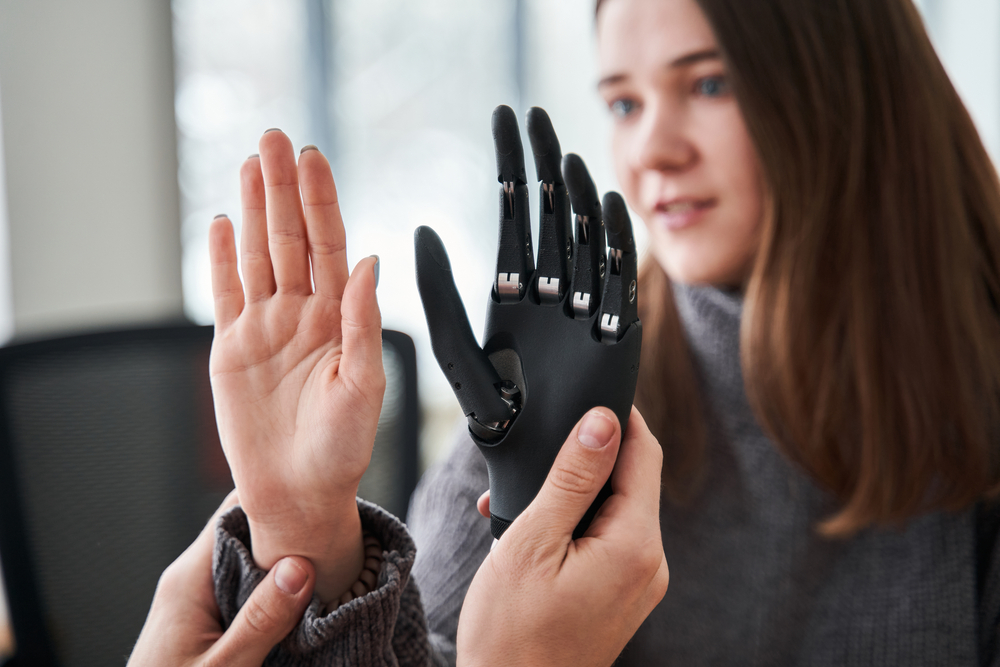
Prosthetics, commonly referred to as artificial limbs, serve as replacements for body parts lost due to various circumstances such as accidents, disease, or birth conditions. These vital devices are engineered to replicate the functions of natural limbs, enabling individuals to move more freely and engage in everyday activities with ease.

The scope of prosthetics extends beyond just artificial arms and legs. It encompasses a wide array of devices, including medical implants like pacemakers, cosmetic enhancements like wigs and breast implants, and even internal supports that assist bodily functions.

Whether externally worn or internally implanted, prosthetics play a crucial role in restoring mobility and boosting the confidence and lifestyle quality of those who use them. Through the use of prosthetics, individuals who have experienced significant physical losses can reclaim a level of autonomy and activity that might otherwise be unattainable. These devices are not just about physical support—they are a bridge to a more engaged and fulfilling life.

How Do Prosthetics Work?

Prosthetics are designed to emulate the functions of the body parts they replace, allowing users to perform tasks that would otherwise be challenging. There are several types of prosthetics, differentiated by their power sources and control mechanisms:

  1. Body-Powered Prosthetics: Operated by cables and harnesses, these prosthetics use the physical movements of other body parts, such as the shoulders or chest, to control their functions. This type of prosthetic is quite common for arm and hand replacements.
  2. Electrically Powered Prosthetics: These prosthetics incorporate motors that are activated by electrical signals. Often, these signals are generated by the muscles remaining in the residual limb, allowing the user to control the prosthetic by simply contracting their muscles as they would with a natural limb.
  3. Myoelectric Prosthetics: Representing a more advanced technology, myoelectric prosthetics are equipped with sensors that detect electrical impulses from the muscle. These impulses are then converted into specific movements within the prosthetic, providing users with a level of control that closely mimics natural limb movements.

The creation and fitting of a prosthetic are highly personalized processes. It begins with detailed measurements and continues through careful customization to ensure the device fits seamlessly and meets the user’s specific needs.

The journey to mastering the use of a prosthetic involves not just the individual, but also a dedicated team of professionals such as prosthetists, orthotists, and physical therapists. Together, they ensure the prosthetic not only fits well but also truly enhances the user’s life, paving the way for improved mobility and independence.

Understanding Prosthetics Innovations and Insights

Facts About Prosthetics

Prosthetics have a rich history and a dynamic present, marked by rapid technological advances and a growing impact on society. Here are some key facts about prosthetics that highlight their development and capabilities:

  1. Historical Beginnings: The first recorded prosthetic device is an ancient wooden toe belonging to an Egyptian mummy, dating back to 950 BC. This early invention shows that the desire to replace lost limbs has been a part of human innovation for millennia.
  2. Technological Advances: Today’s prosthetics have come a long way from the rudimentary materials of the past. Advances in technology now allow for prosthetics to be 3D printed, providing tailor-made solutions that are both more accessible and customizable. Modern prosthetics use materials like carbon fiber and titanium, which are significantly lighter and more durable than wood and iron.
  3. Sensory Feedback: Recent developments have introduced haptic feedback systems in some prosthetics. These systems enable users to experience sensations such as touch and pressure, which greatly enhance the functionality and realism of the prosthetic limbs.
  4. Athletic Use: Prosthetics have opened up new possibilities in sports, allowing athletes to compete at high levels in events like the Paralympics. These high-performance prosthetics are specifically designed to withstand the rigors of sport and help showcase the remarkable capabilities of their users.
  5. Animal Prosthetics: The use of prosthetic extends into the animal kingdom, providing mobility solutions for various animals, including dogs, cats, and even elephants. These devices help animals live fuller, more active lives despite their disabilities.
  6. Mind-Controlled Functionality: Groundbreaking advancements have led to the development of mind-controlled prosthetics, like the prosthetic legs used by Zac Vawter to climb the Willis Tower. These prosthetics use neural signals to control movements, mirroring natural limb functionality more closely than ever before.
  7. Market Growth: The prosthetics market is rapidly expanding, driven by continuous innovation and increasing demand. It is projected to grow to $3.6 billion by 2026, reflecting the increasing adoption and enhancement of prosthetic technologies.
  8. Future Prospects: Looking ahead, the field of prosthetics is set for even more revolutionary changes. Researchers are exploring the potential of 3D bioprinting to create living tissues that could be used in prosthetics, and sensory substitution surgeries that could allow amputees to feel their prosthetics as part of their own body.

These facts not only highlight the significant strides made in prosthetic technology but also underline the potential for future innovations that could further transform the lives of those who rely on these essential devices.

Final Words

The world of prosthetics is rapidly advancing, with ongoing research and development paving the way for smarter, more intuitive, and more accessible devices. These innovations hold the promise of further enhancing the autonomy and mobility of individuals with limb differences, reshaping their lives and the field of prosthetics for years to come.

Contact Advance Care today to discover how our prosthetic solutions can enhance your mobility and life!

Related Blogs

    Skin Observation Guidelines for Prosthetic Users

    • Blog
    • September 4, 2025
    Read More

    Seven Things to Know for New Lower Extremity Amputees

    • Blog
    • August 22, 2025
    Read More

    Pediatric Prosthetics: Complete Guide to Child Prosthetic Care

    • Blog
    • August 4, 2025
    Read More

    Going to the Beach with a Prosthetic Leg: The Ultimate Guide

    • Blog
    • July 24, 2025
    Read More

    Signs Your Prosthetic Limb Needs Servicing or Adjustment

    • Blog
    • July 18, 2025
    Read More